Death Valley National Park
In this below-sea-level basin, steady drought and record summer heat make Death Valley a land of extremes. Yet, each extreme has a striking contrast. Towering peaks are frosted with winter snow. Rare rainstorms bring vast fields of wildflowers. Lush oases harbor tiny fish and refuge for wildlife and humans. Despite its morbid name, a great diversity of life thrives in Death Valley.
Map showing location of park.
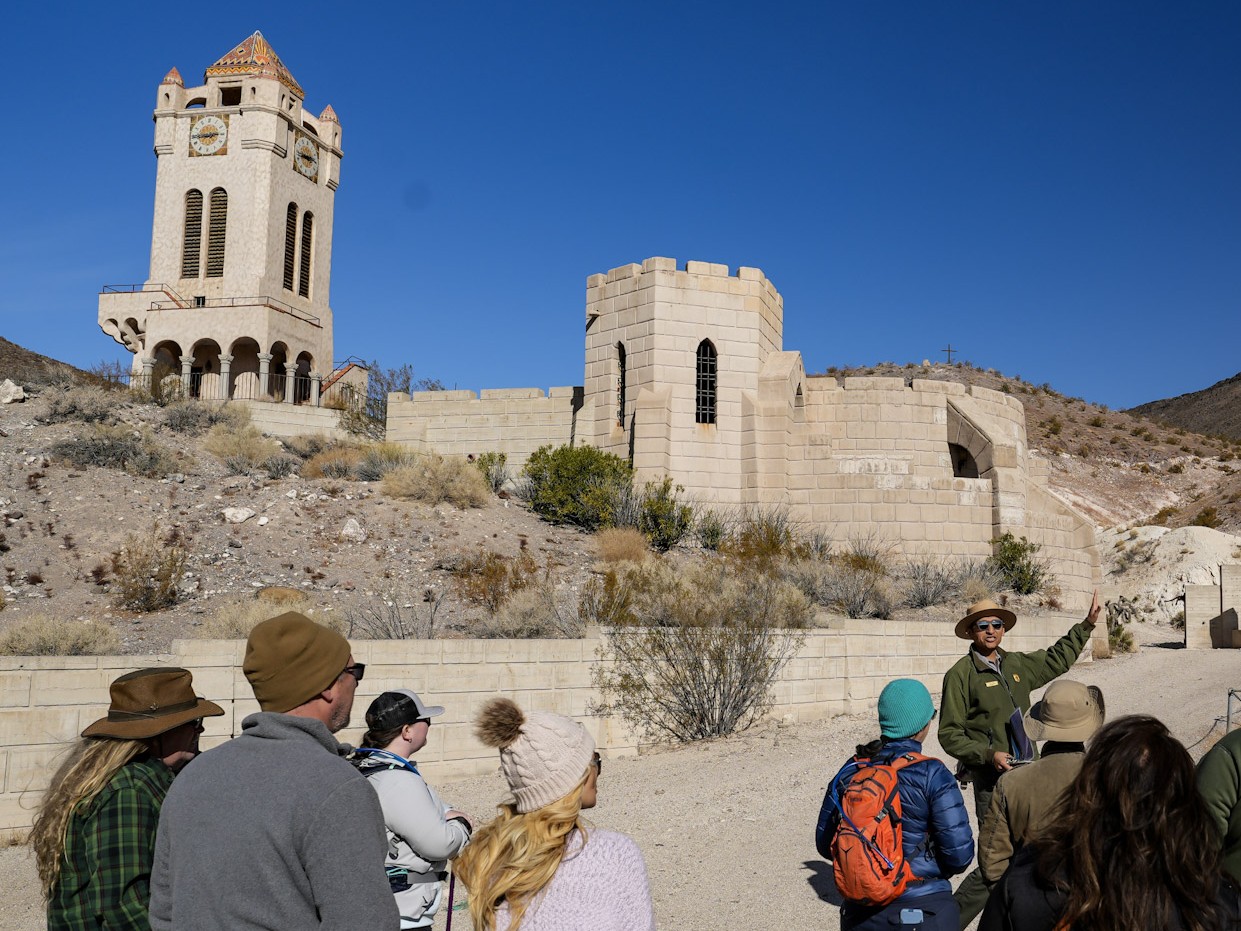
Tours Offered at Scotty’s Castle as Restoration Continues
Visitors will have a limited opportunity to explore the historic grounds of Scotty’s Castle this season while the National Park Service (NPS) continues repairs and restoration work. Guided exterior tours will be offered most Saturdays and Sundays from Oct. 10 through April 17. Private weekday tours are also available for small groups upon request.
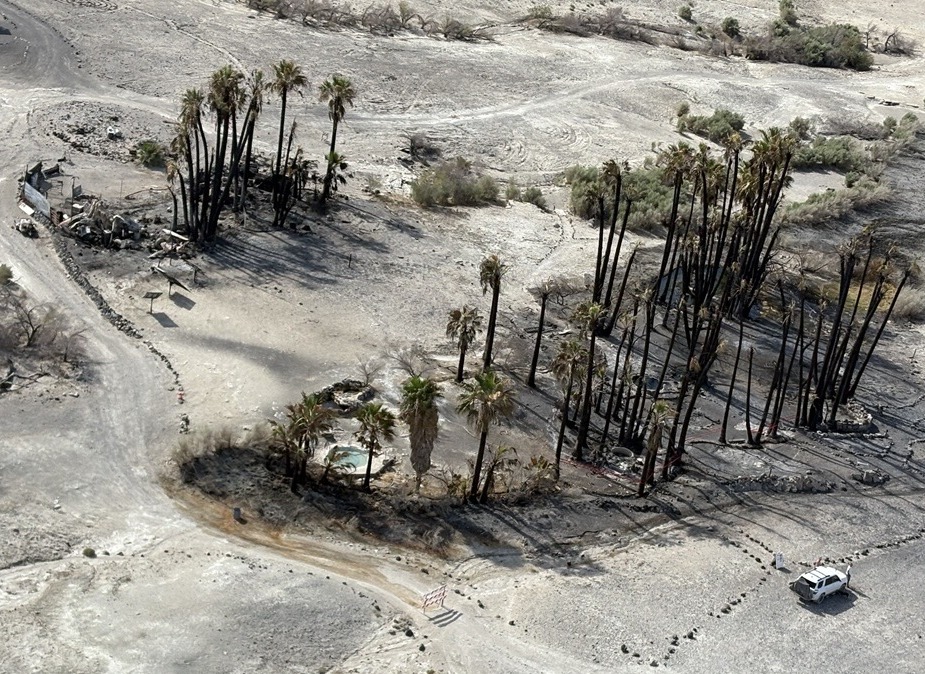
Most of Saline Valley Warm Springs Campground Reopens After Fire
More than half of Saline Valley Warm Springs Campground has reopened following a recent fire, while the immediate fire area remains closed due to lingering hot spots and hazardous materials. Investigators with the U.S. Wildland Fire Service determined that the fire, which burned in the Lower Springs area of the remote campground, was accidentally started when a propane grill ignited a palm tree.
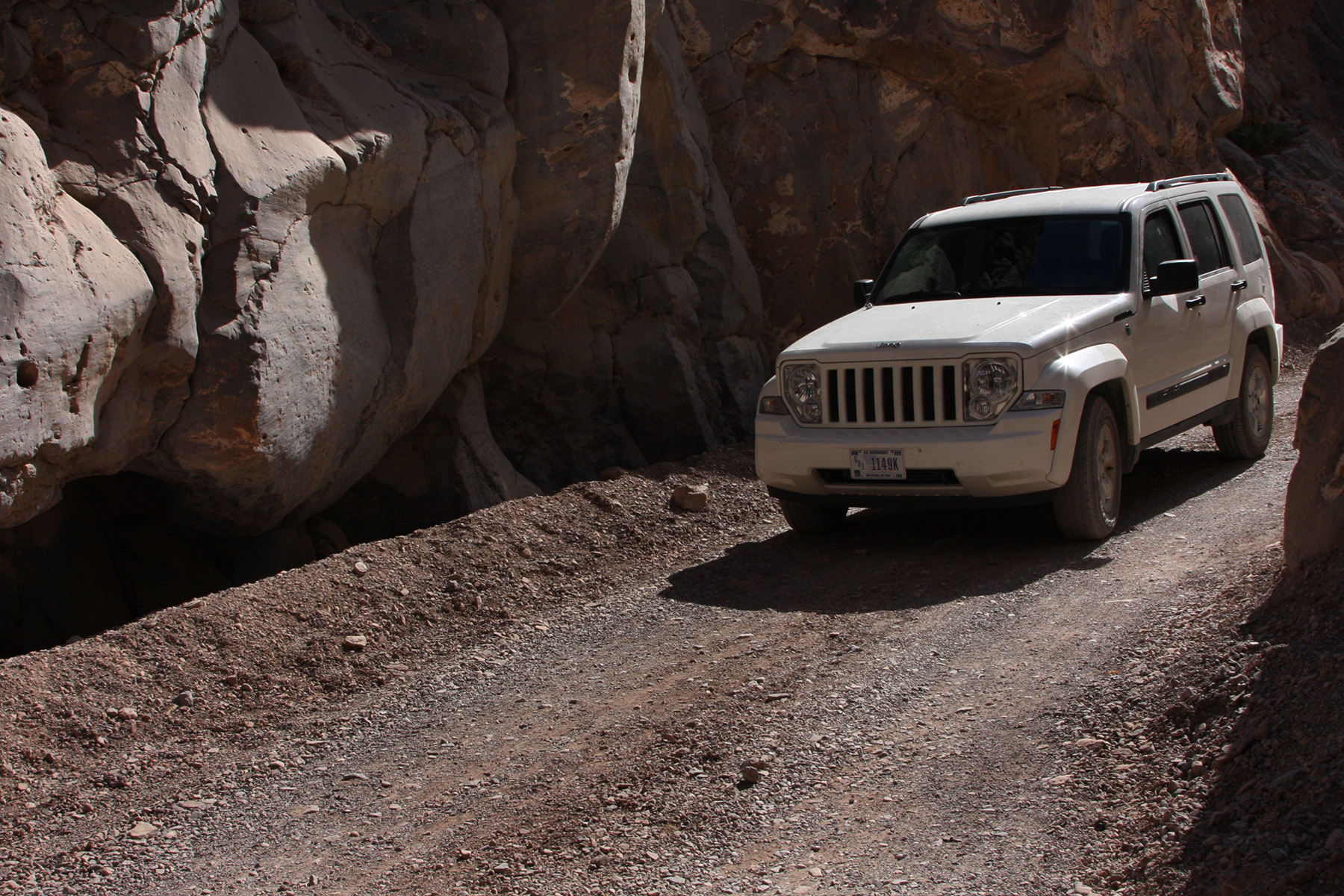
Titus Canyon Road closing for repairs October 2
Titus Canyon Road, one of Death Valley National Park’s most popular backcountry drives, will close Oct. 2, 2026, as work begins to repair and strengthen the road following extensive flood damage.
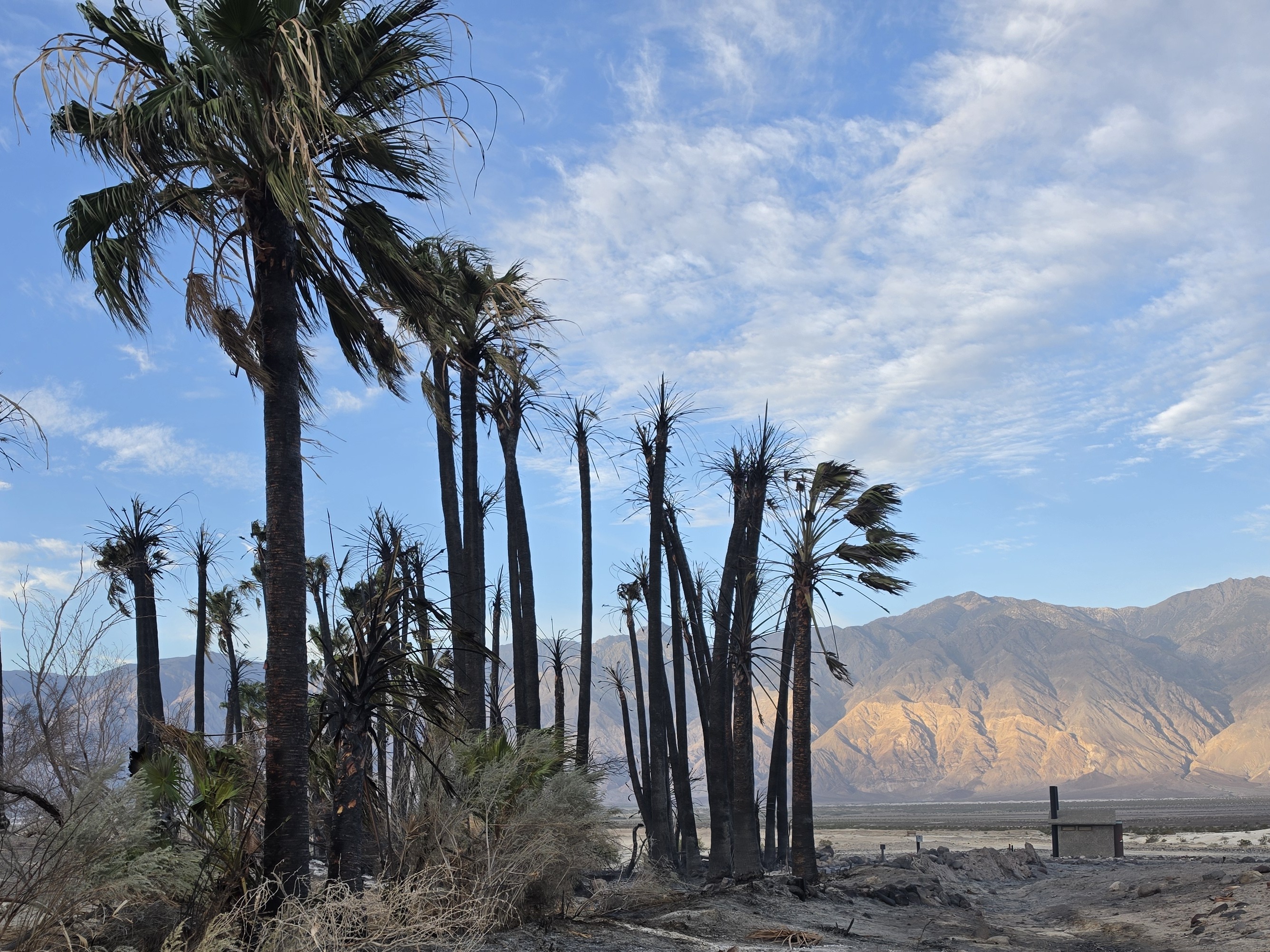
Backcountry campground in Death Valley National Park partially reopens after fire
The National Park Service reopened a portion of Saline Valley Warm Springs Campground on September 17. The burned area at Lower Springs is closed to public entry by order of the Death Valley National Park superintendent.
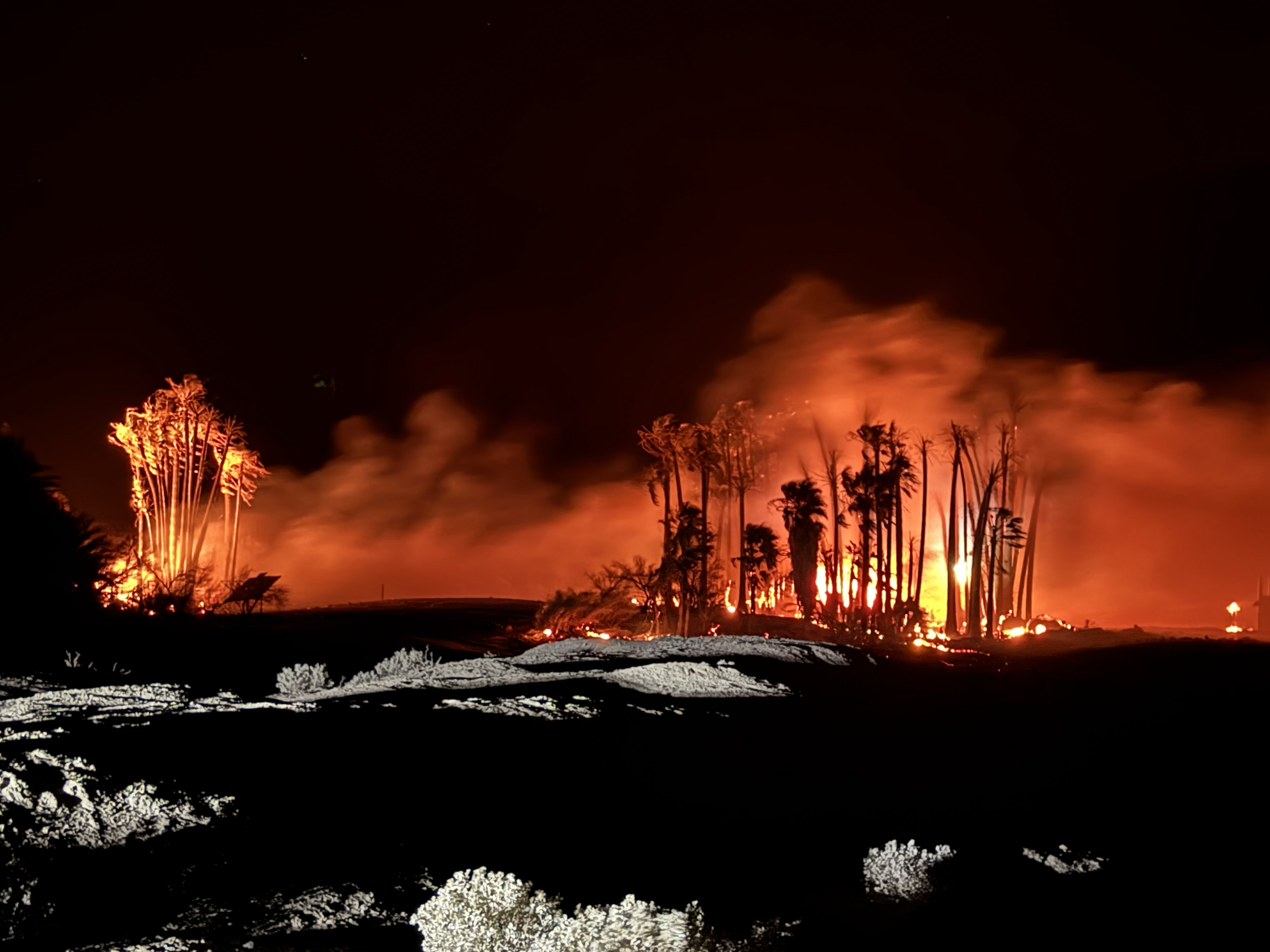
Backcountry campground in Death Valley National Park closed due to fire
Saline Valley Warm Springs Campground is temporarily closed due to a fire that occurred on September 15, 2026.
Photo by Ronald Gaddis
Photo by NPS
Photo by NPS
Photo by NPS
Photo by NPS photo
Photo by NPS
Photo by NPS Photo
Photo by NPS
Photo by NPS
Photo by NPS / Jan Vanderlay