Captain John Smith Chesapeake National Historic Trail
National Historic Trail · VA, MD, DE, DC, PA, NY · nps.gov page
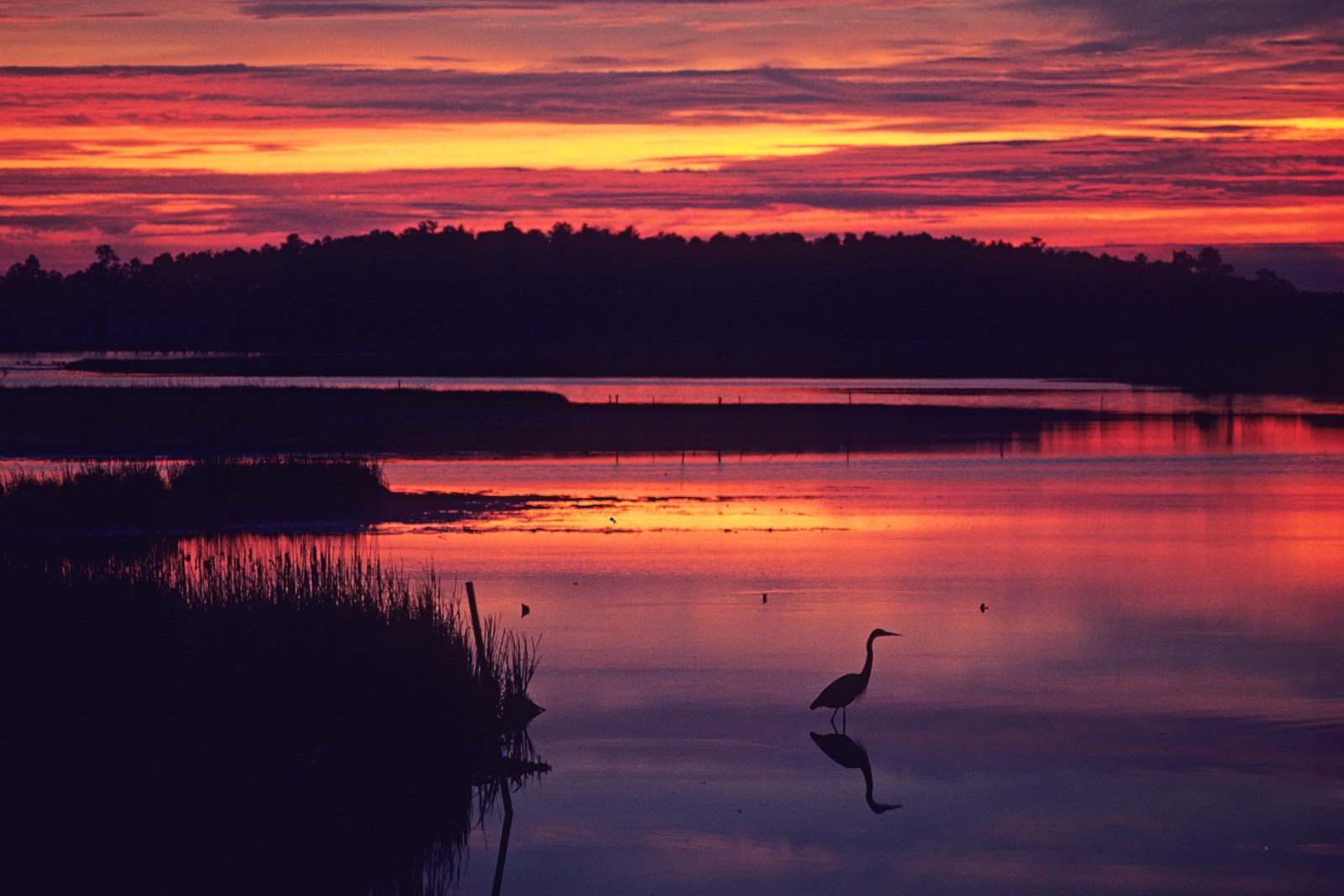
Many people visit Blackwater National Wildlife Refuge to spot birds, like this heron, that rely the natural resources of the landscape.Photo: NPS Photo / Middleton Evans
People first arrived in the Chesapeake Bay during the last ice age. As glaciers melted, diverse societies learned to thrive in a world of water. When Englishman Captain John Smith explored the Bay in 1608, he documented hundreds of American Indian communities. Today, sites on his map are archeological treasures and sacred sites for tribal citizens. Come join us on the shores of the Chesapeake Bay!
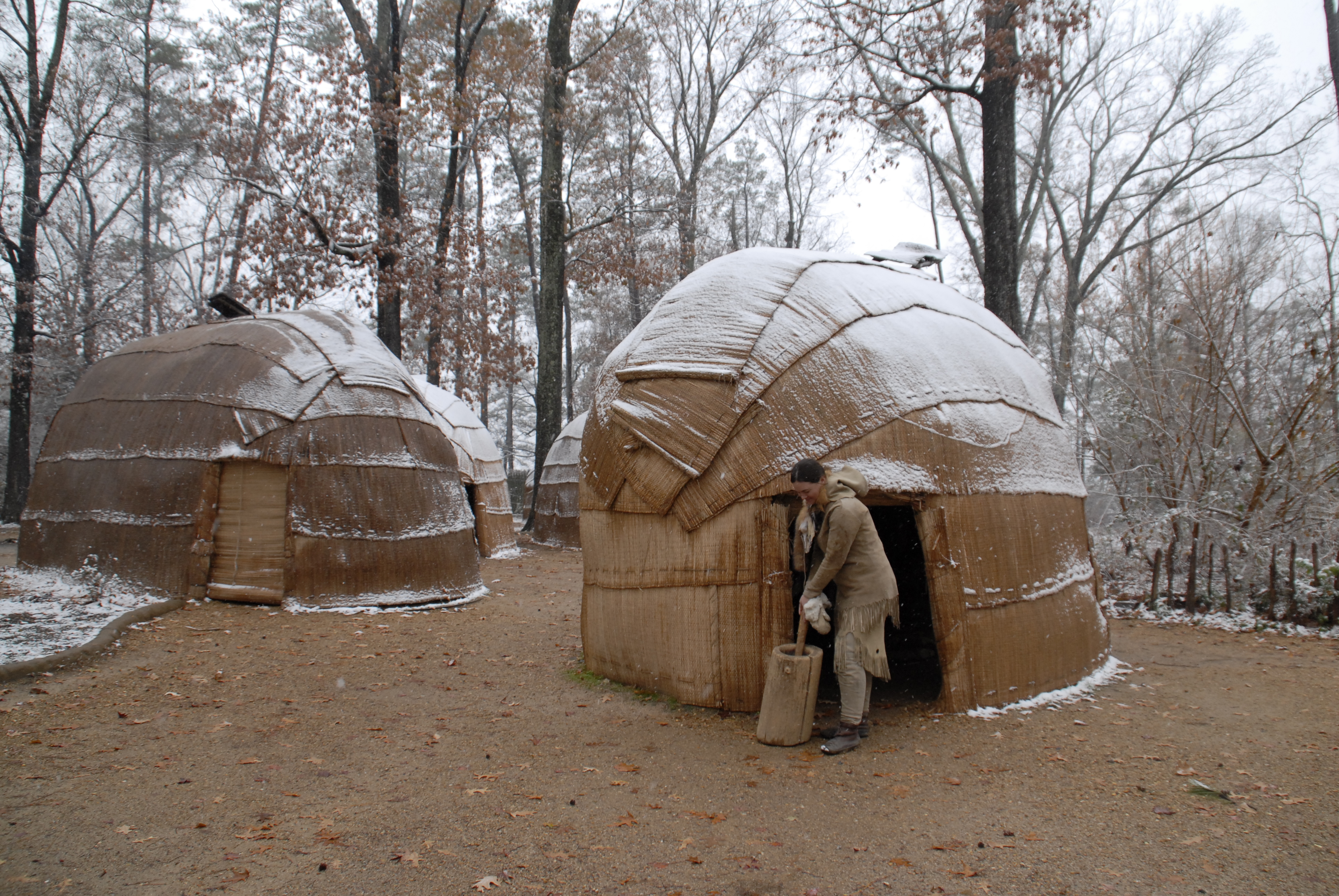
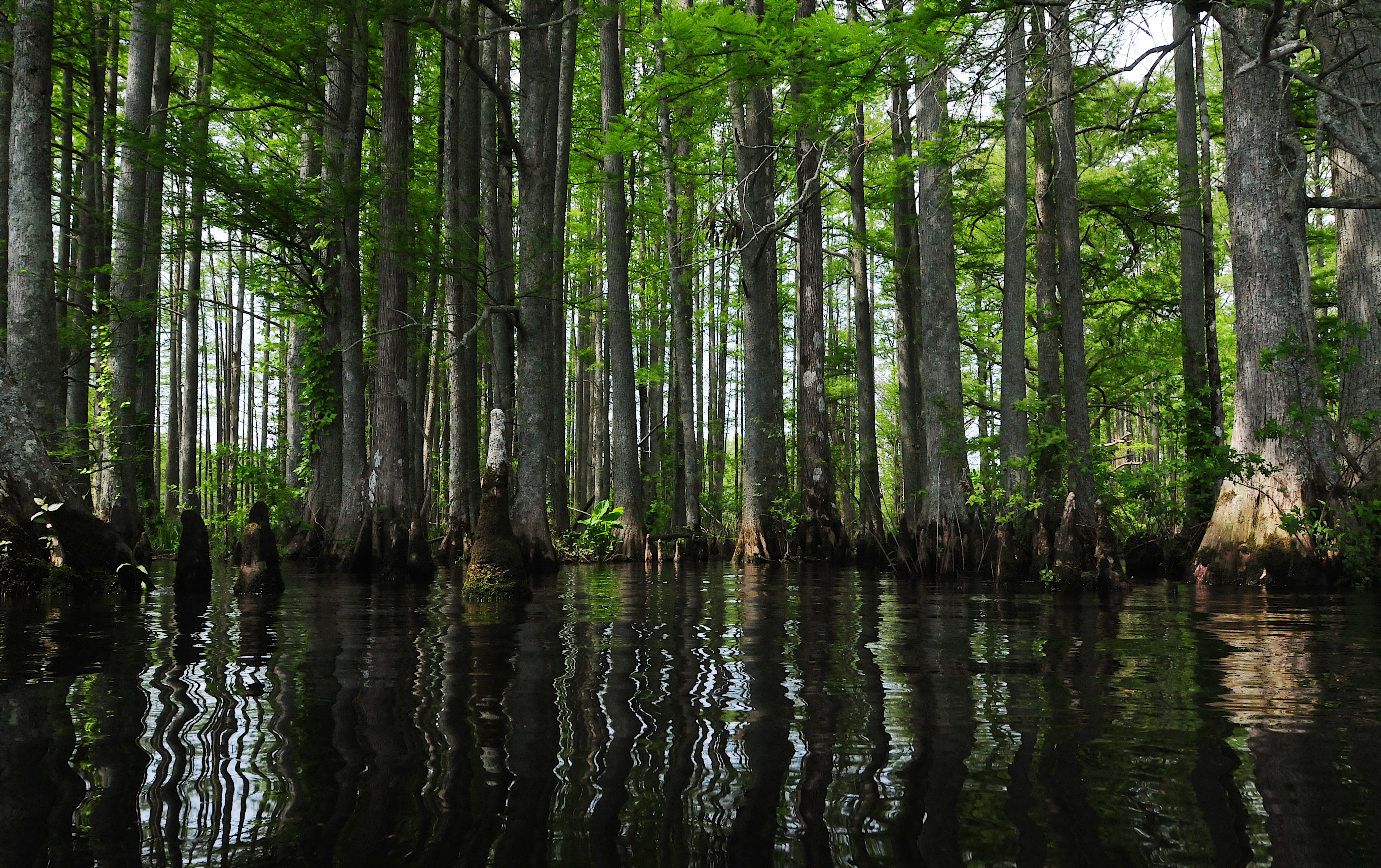
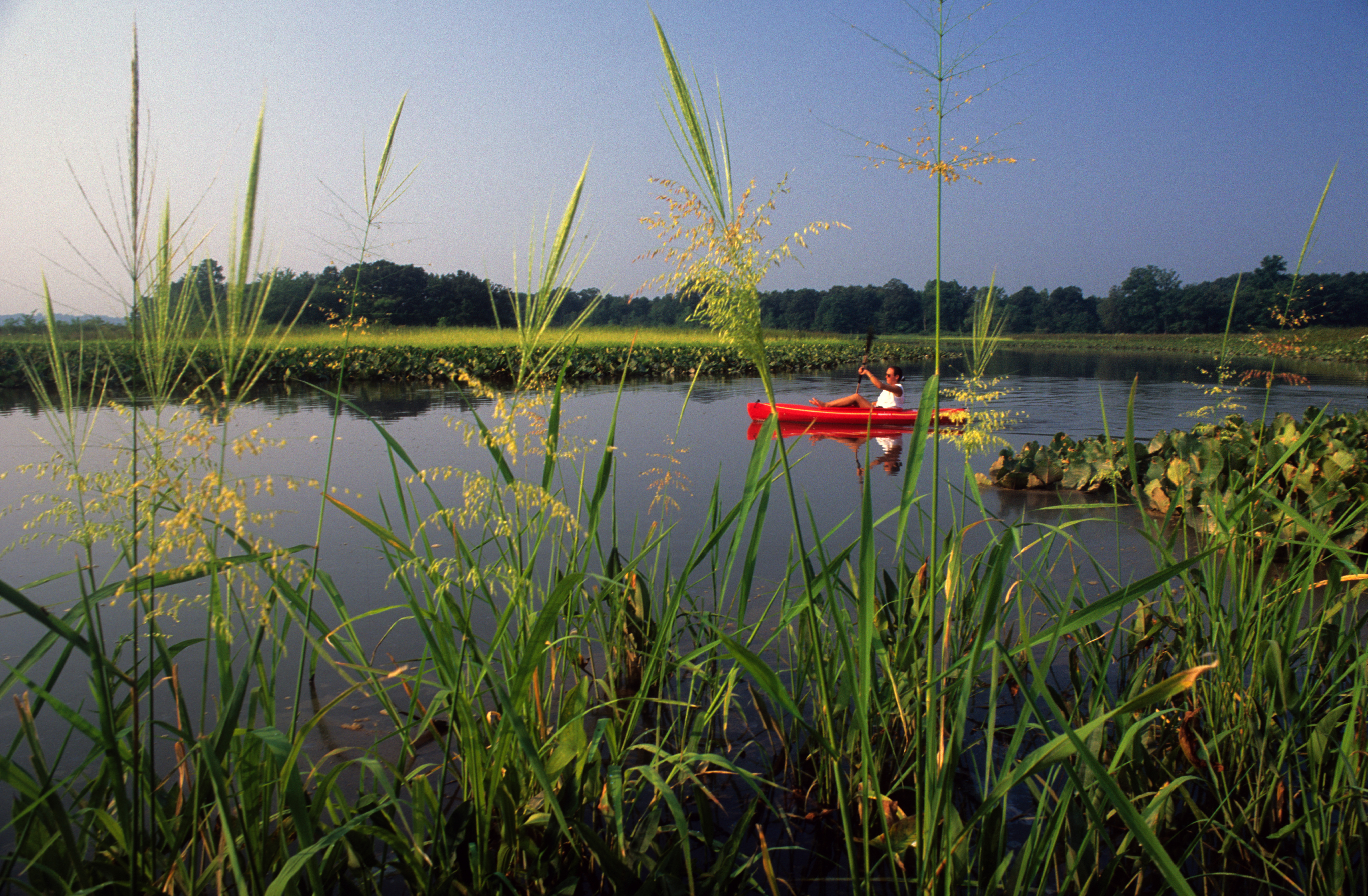
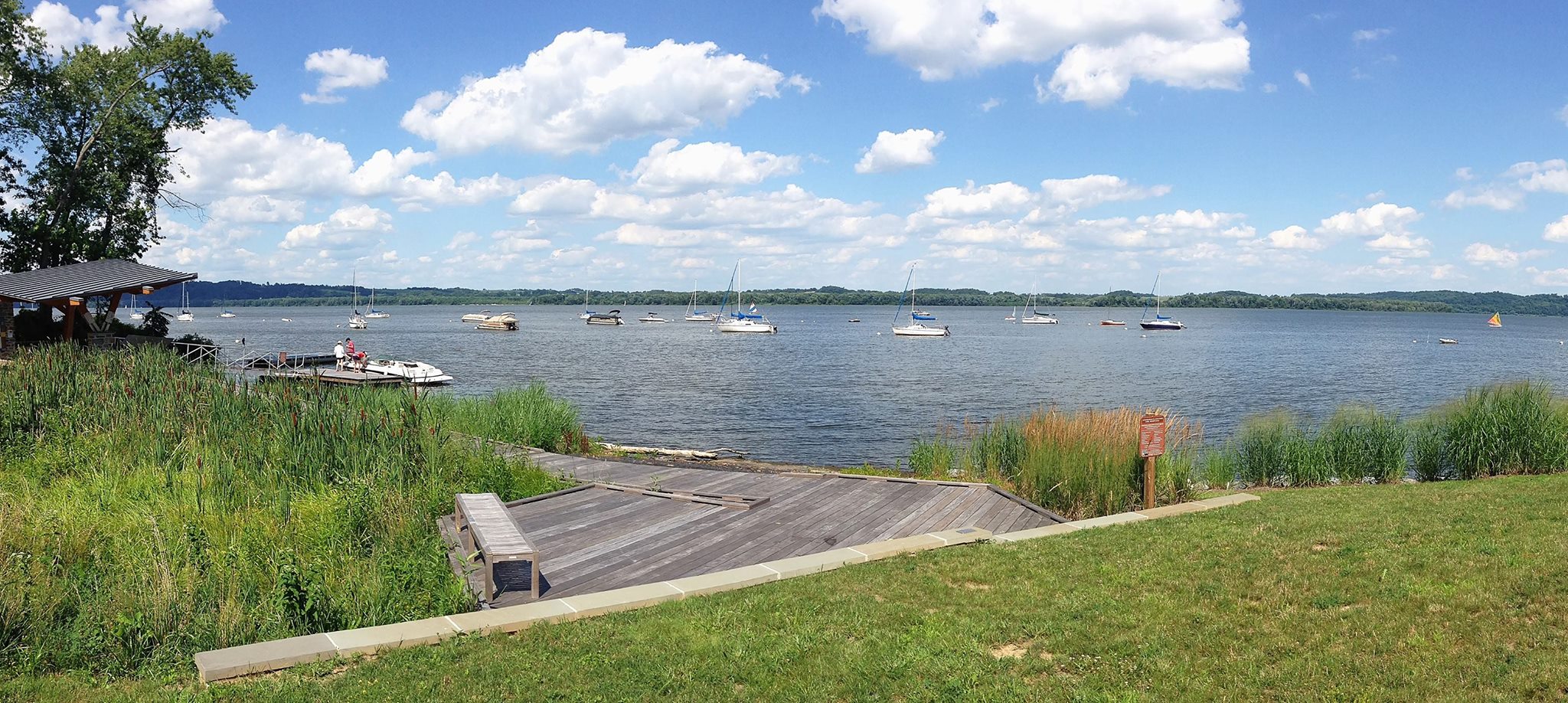
At Jamestown Settlement, trail visitors can view yihakan, the houses seen pictured here, which are constructed from saplings and reed mats.Photo: Jamestown SettlementSome scenes - like this one of cypress trees in the Chickahominy River - look similar to what Captain John Smith would have seen 400 years ago.Photo: Bill PortlockThe upper reaches of the Patuxent River at Jug Bay give visitors a view of the Chesapeake region that feels similar to a time before European settlement.Photo: NPS Photo / Middleton EvansVisitors can use the dock at Zimmerman Center for Heritage to launch canoes and kayaks onto the beautiful Susquehanna River in south central Pennsylvania.Photo: Susquehanna Gateway Heritage Area
Park information and photos come from the National Park Service. This is not an official NPS site.