Fort Union Trading Post National Historic Site
National Historic Site · MT, ND · nps.gov page

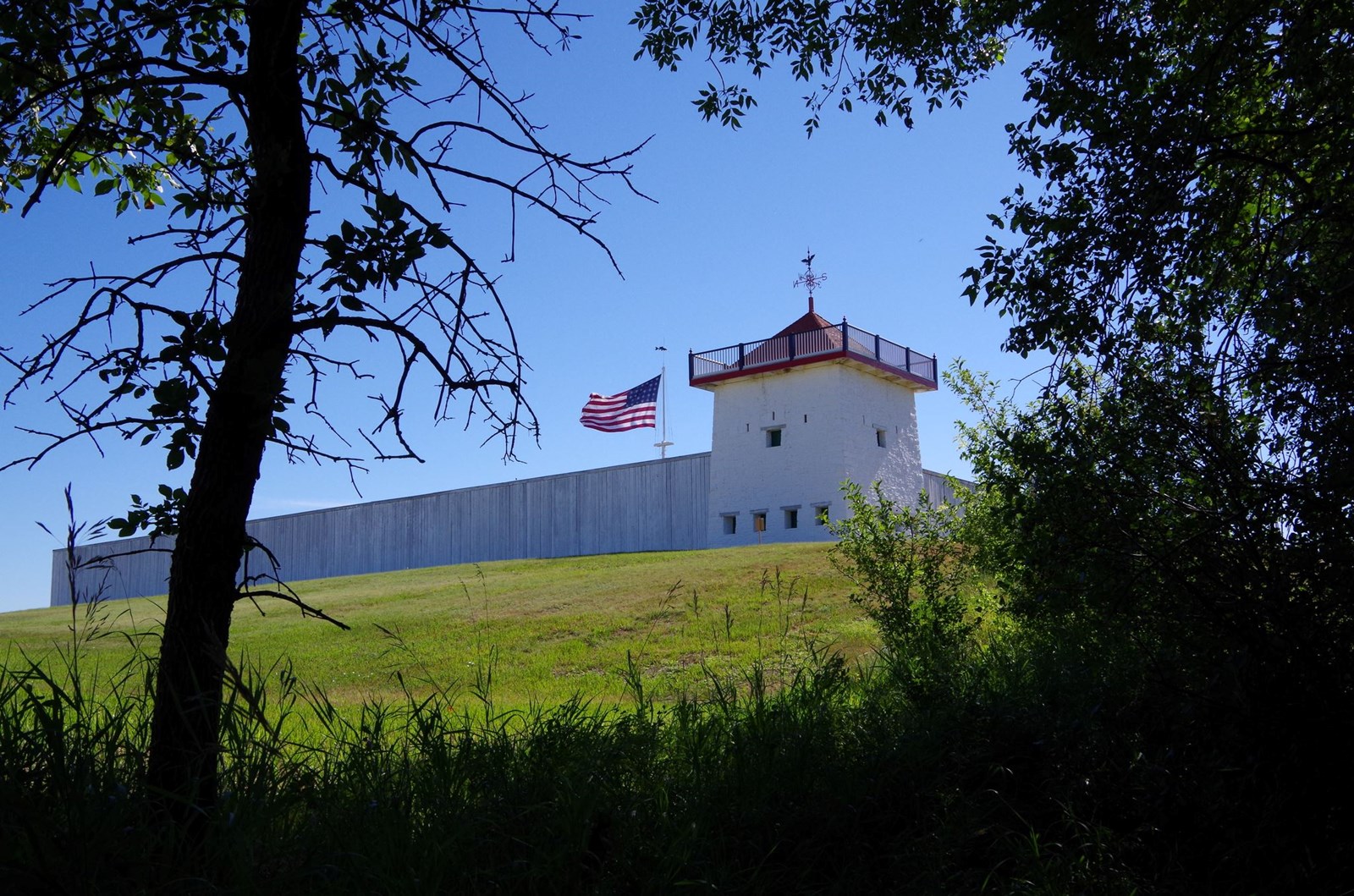
View from Missouri River bottoms of Southwest bastion
Viewing Fort Union Trading Post from the Missouri River bottoms one can imagine how grandiose the site would appear to weary steamboat travelers.Photo: NPS Photo / Kris Baxter

Between 1828 and 1867, Fort Union was the most important fur trade post on the Upper Missouri River. Here, the Assiniboine and six other Northern Plains Tribes exchanged buffalo robes and smaller furs for goods from around the world, including cloth, guns, blankets, and beads. A bastion of peaceful coexistence, the post annually traded over 25,000 buffalo robes and $100,000 in merchandise.

News
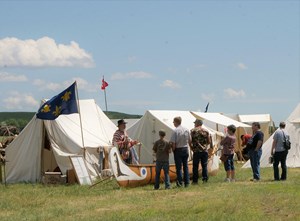
  • White tents with reencators
    43rd Annual Fort Union Rendezvous

    Fort Union Trading Post National Historic Site is set to come alive with the sights, sounds, smells and excitement of the American Frontier during the annual Rendezvous taking place June 18-21, 2026.
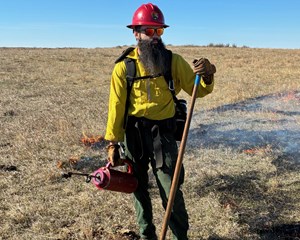
  • A firefighter wearing green pants, yellow shirt, hard hat and carrying tools puts fire on the landscape.
    Prescribed Burn Planned at Fort Union Trading Post NHS

    The National Park Service has scheduled a prescribed fire on federal lands in Williams County this Spring depending on environmental conditions. The current plan is to burn approximately 15 acres of grassland near the maintenance shop.

Photos

Candles illuminate the Bourgeois House porch at dusk
Volunteer reenactors relax on the Bourgeois House porchPhoto: NPS Photo / Kris Baxter
Courtyard of Fort Union Trading Post with Bourgeois House, Tipis and US Flag
Ranging from employee housing, workshops, storage warehouses, domestic animal pens and horse corrals, the courtyard housed the world at Fort Union.Photo: NPS Photo
View of Fort Union and the Missouri River looking south
Visitors hiking the scenic Bodmer Trail experience a historical view of Fort Union, and the same view painted by Karl Bodmer in 1833.Photo: NPS Photo / Leif Halvorson
White canvas tipis in grassy area, Fort in background.
During the height of the spring trade season camps from various Upper Missouri Tribes would fill the plateau around Fort Union.Photo: NPS / EMILY SUNBLADE

Park information and photos come from the National Park Service. This is not an official NPS site.