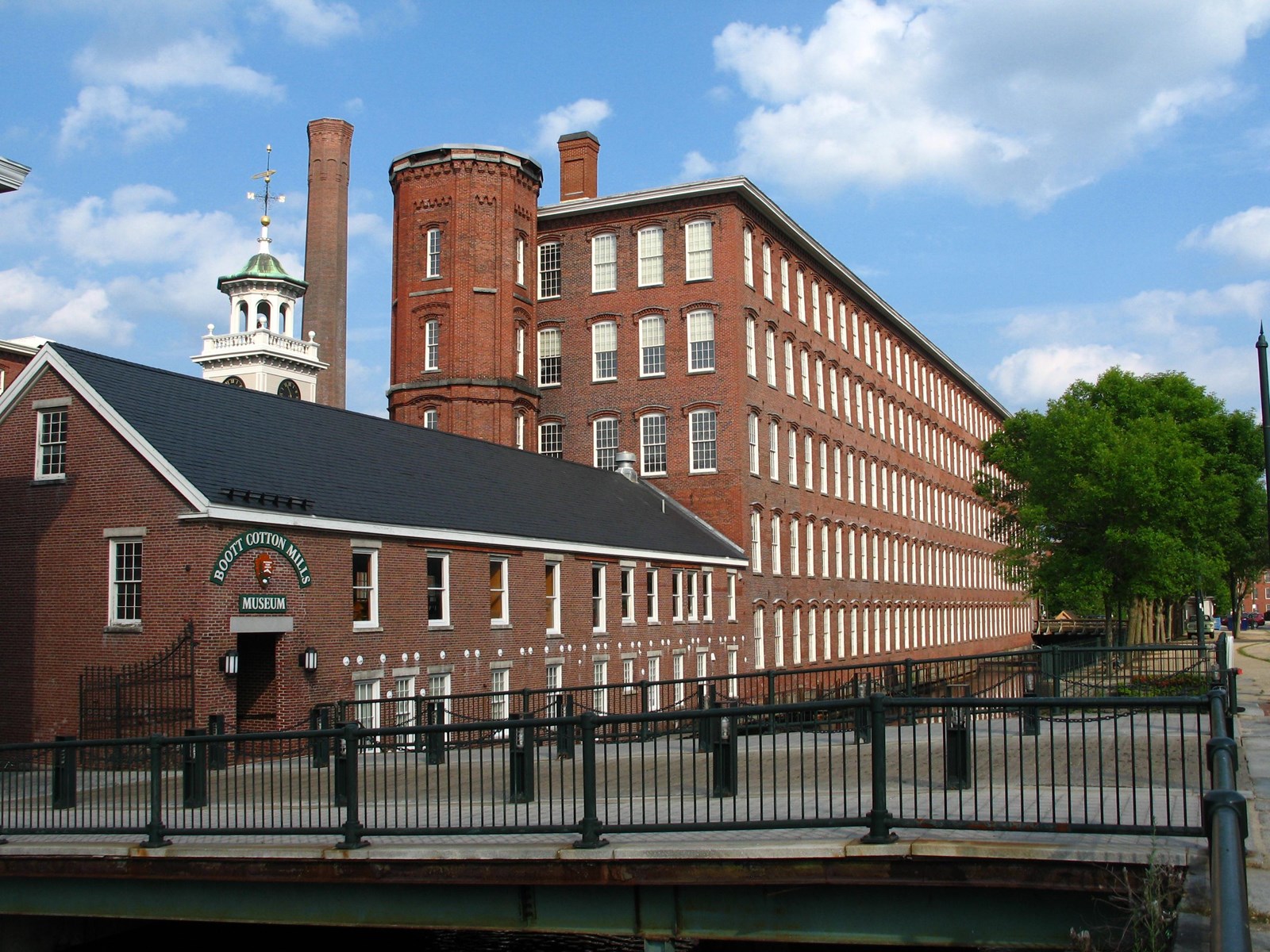
The Boott Cotton Mills is one of the best, most-intact complexes of cotton mills from Lowell's heyday in the 19th century.Photo: NPS Photo
Lowell’s water-powered textile mills catapulted the nation – including immigrant families and early female factory workers – into an uncertain new industrial era. Nearly 200 years later, the changes that began here still reverberate in our shifting global economy. Explore Lowell, a living testament to the dynamic human story of the industrial revolution.
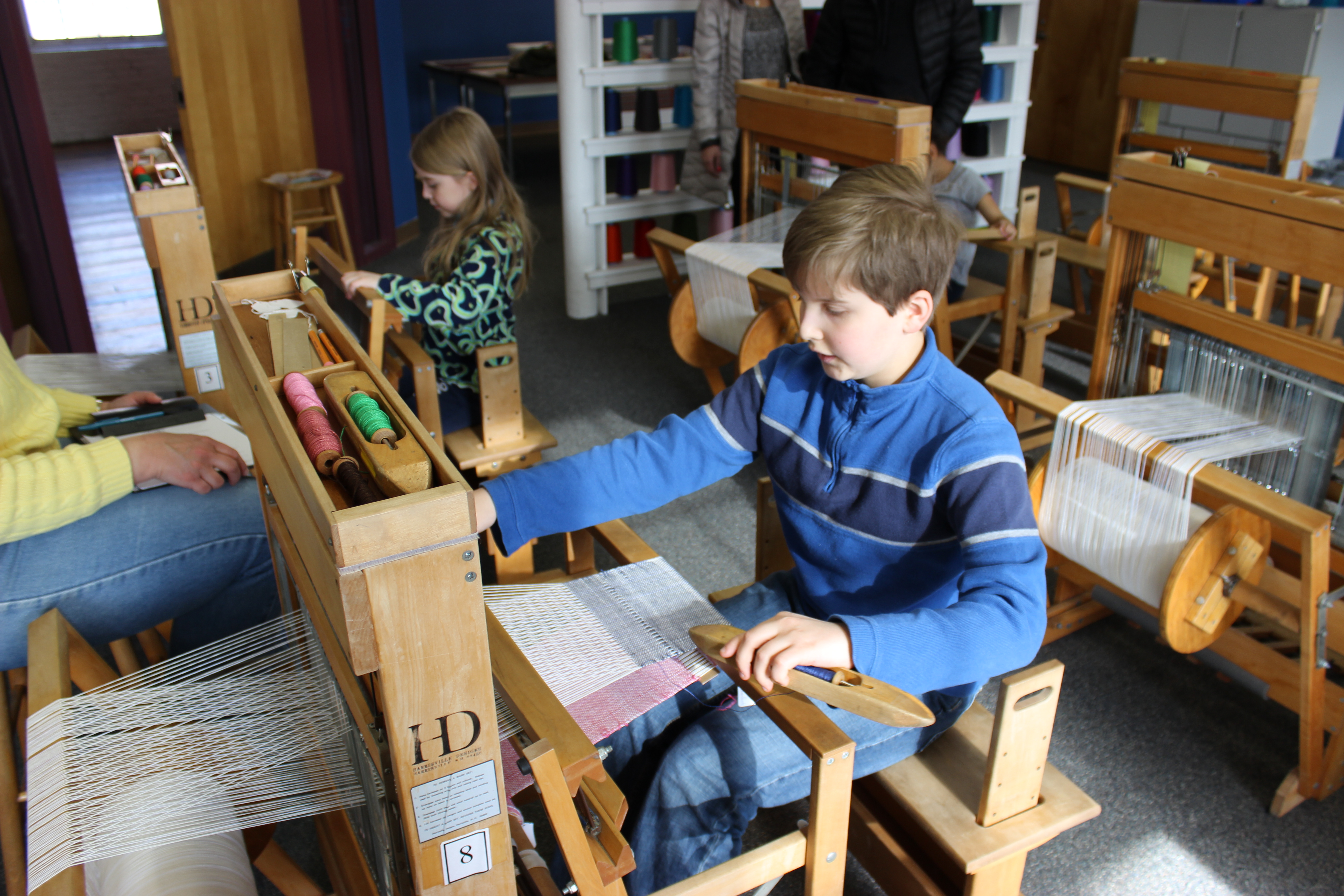
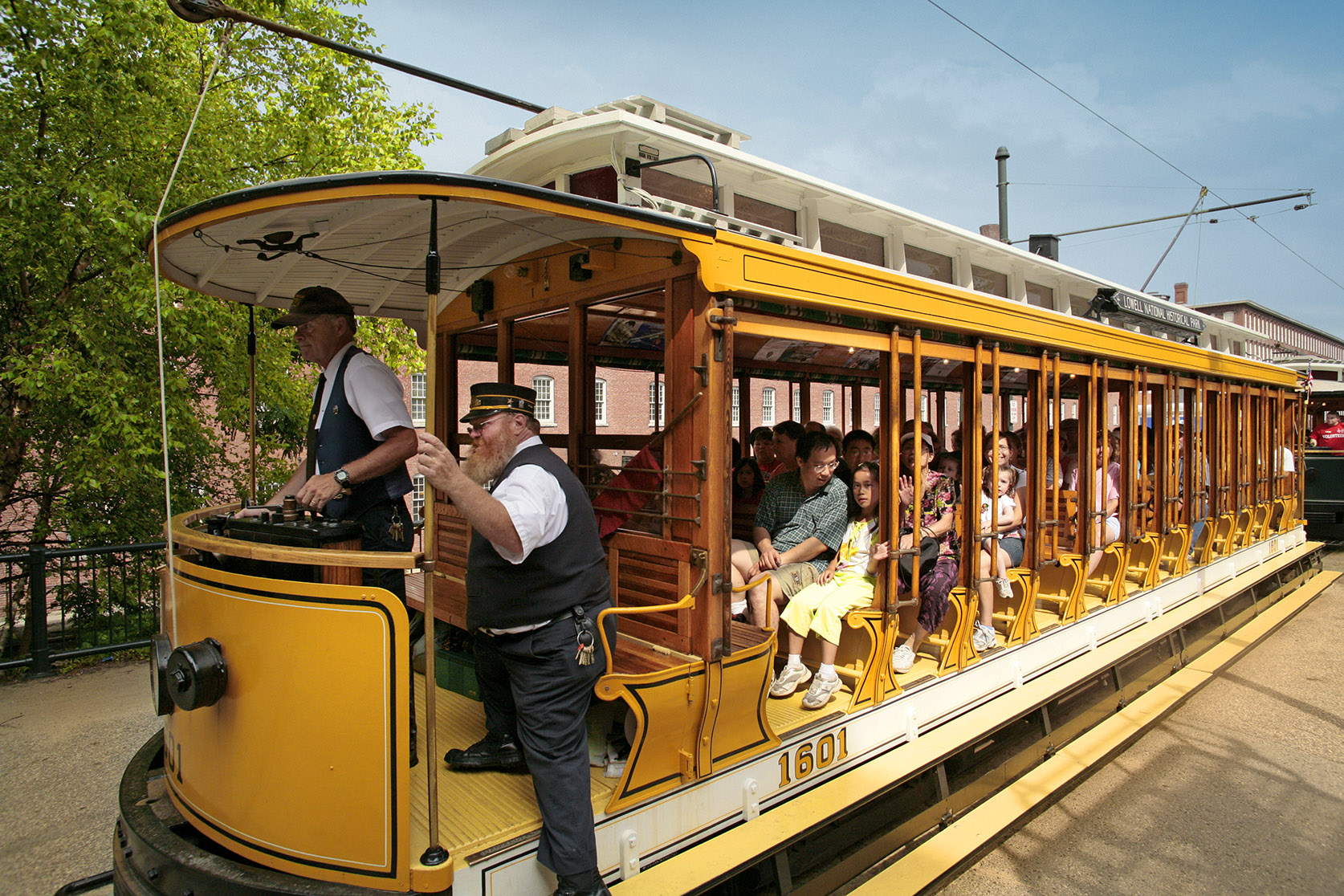
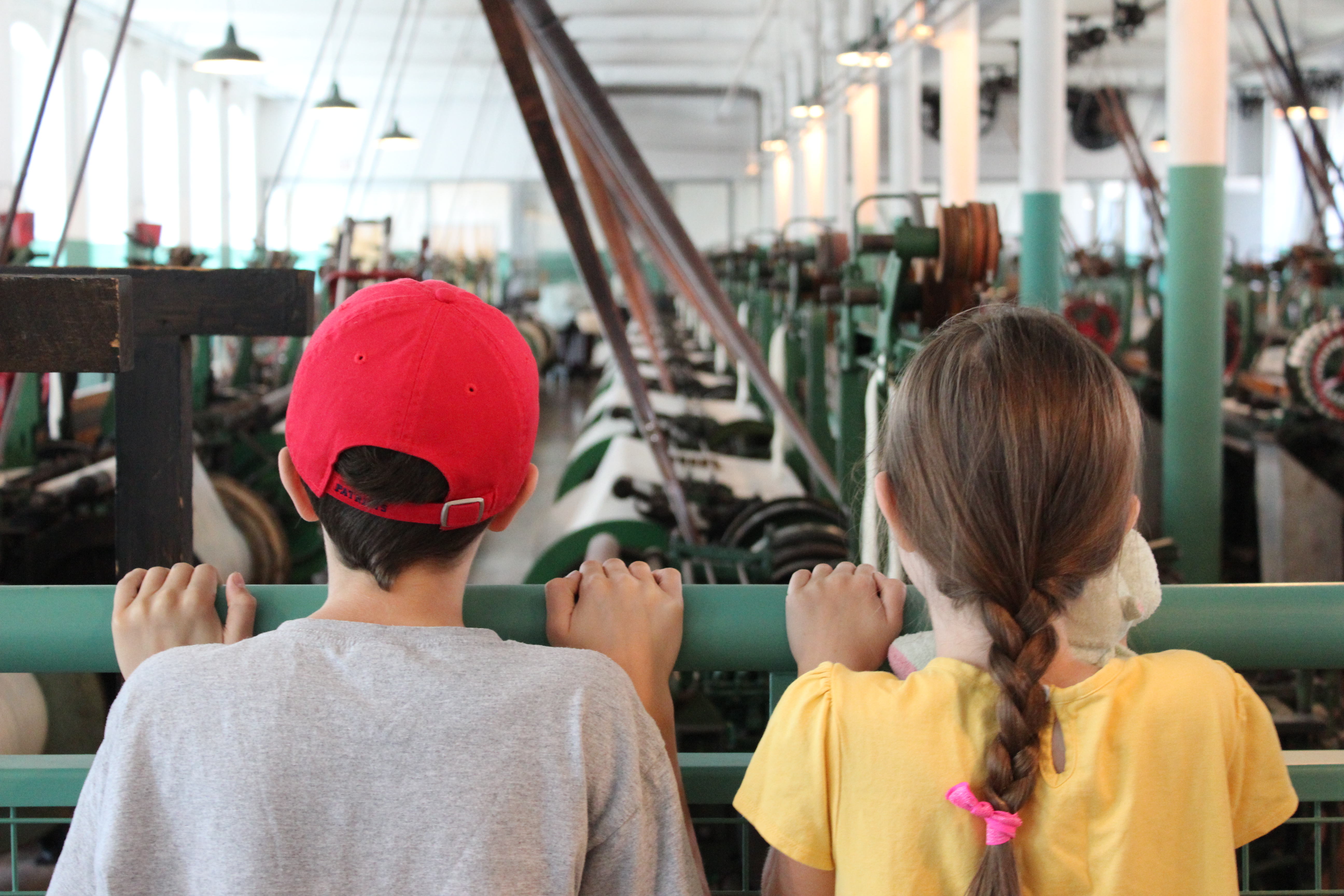
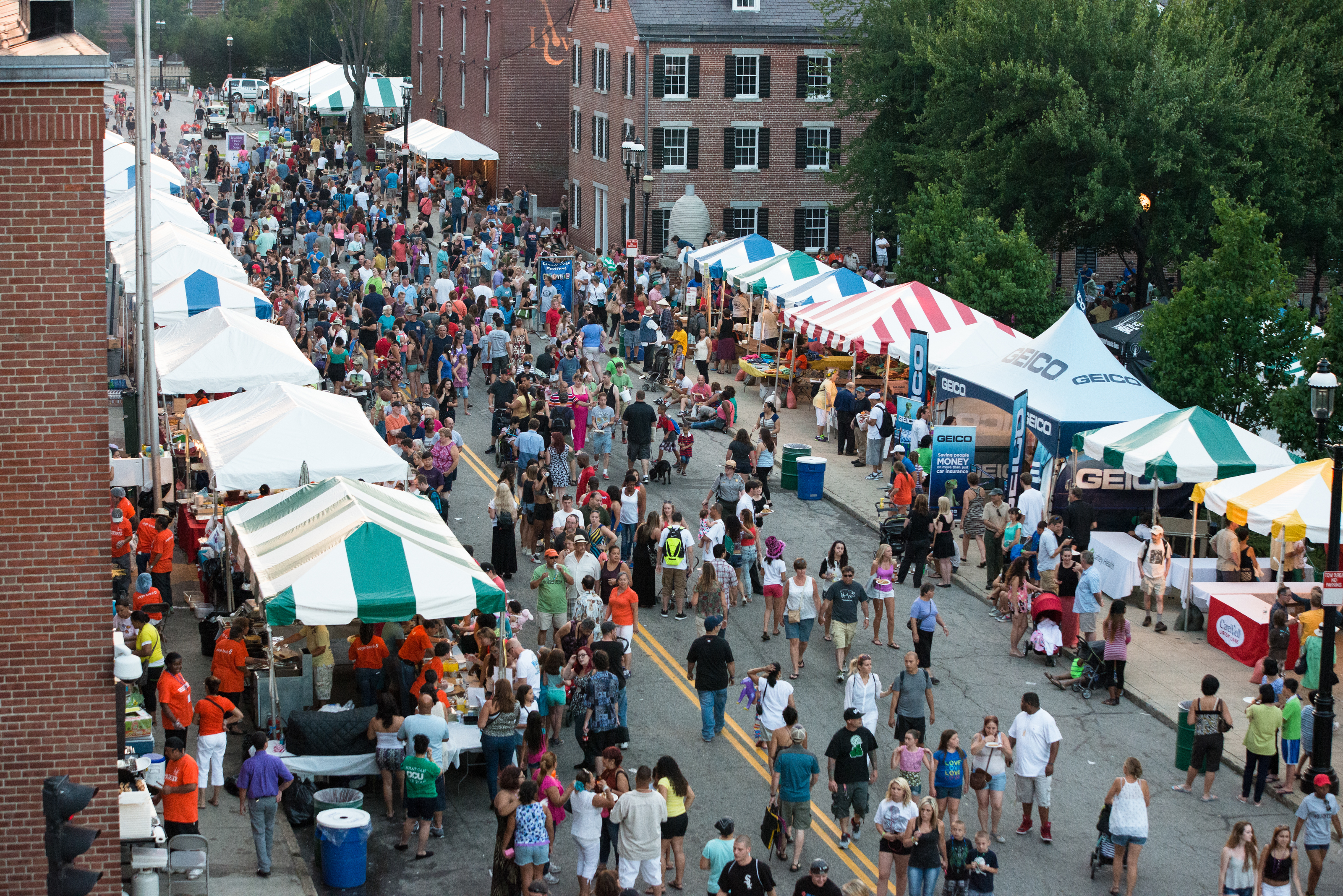
The Tsongas Industrial History Center, a partnership of Lowell National Historical Park and UMass Lowell's Graduate School of Education, offers hands-on interactive education workshops for more than 50,000 students each year.Photo: NPS Photo/David ByersLowell National Historical Park operates reproduction vintage streetcars throughout the park and downtown Lowell. Climb onboard for a ride or a ranger-guided tour.Photo: NPS Photo/James HigginsThe working weave room at the Boott Cotton Mills Museum surrounds you with the sights and sounds of a turn-of-the-century working cotton textile factory.Photo: NPS Photo/Andy PearsonThe Lowell Folk Festival, Lowell's signature annual event, brings traditional folk performers to 5 stages throughout the city and a huge variety of traditional ethnic foods from all around the world.Photo: NPS Photo/ Andy Pearson
Park information and photos come from the National Park Service. This is not an official NPS site.